A slow drain is a polite warning. A stopped drain is a deadline. Between the two sits the plunger, the most useful ten-dollar tool in the house, and a line every homeowner should know: the point where home methods stop helping and start risking damage. Drain cleaning is bread-and-butter work for Mint Hill plumbers like E.R. Services, and most of their emergency calls started as a slow drain somebody meant to deal with later. Here is how to handle the early stages yourself, and how to recognize the end of them.
The order of operations for a clogged drain
- Clear the obvious. Pull hair and soap mats from tub and sink strainers by hand. A surprising share of slow drains end at this step.
- Plunge correctly. Use a cup plunger on sinks and tubs, a flange plunger on toilets. Fill the basin with enough water to cover the cup, block the overflow, and work in strong, steady strokes for 20 to 30 seconds.
- Try hot water and dish soap on kitchen grease. A kettle of hot, not boiling, water with a squeeze of dish soap can move a grease-softened kitchen clog. Never pour boiling water into a toilet or old porcelain.
- Use a hand snake or drain stick. A simple plastic barbed stick or a short hand auger reaches the hair clogs that live in the first two feet of a bathroom drain.
- Stop. Assess. If two or three honest attempts fail, the clog is deeper, harder or elsewhere. That is the handoff point.
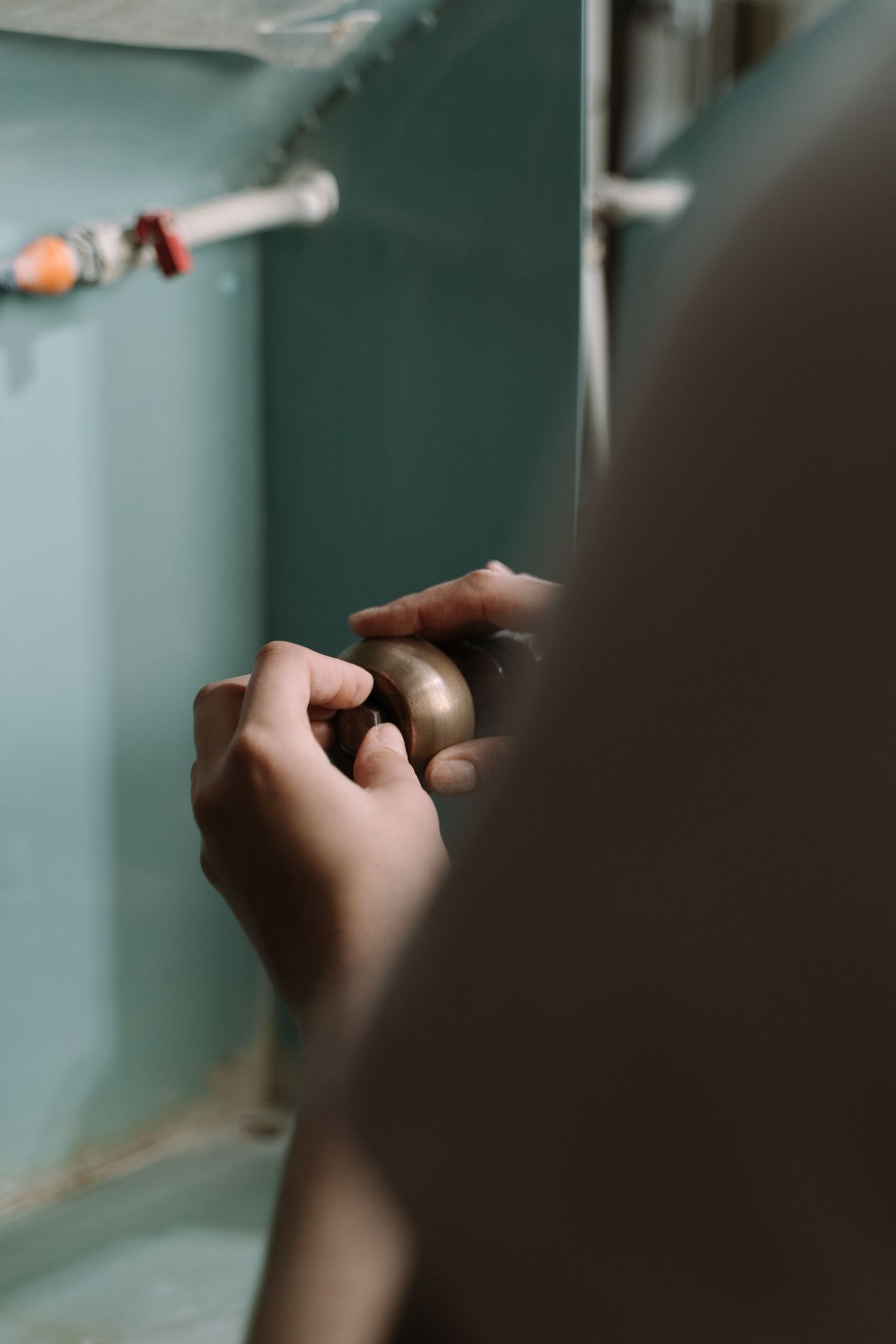
Skip the chemical shortcut
Chemical drain openers promise an easy pour and deliver problems: they generate heat and caustic residue that sit in the pipe when they fail, which they do against anything but the softest clog, and the next person to open that drain, possibly a plumber with a cable machine, meets the chemical with their hands and eyes. They can also damage older pipes and finishes. Plumbers dislike them not because they compete with a service call but because they make the eventual repair more dangerous and sometimes more extensive.
Read the pattern, not just the clog
Which drains are misbehaving tells you where the problem lives. One slow fixture is a local clog in that drain or trap. Every drain in the house slow at once, or the lowest toilet gurgling when the washing machine drains, points downstream to the main line, and no amount of plunging a sink touches it. Recurring clogs in the same drain within weeks are also information: something structural, a grease habit, a sagging pipe, roots, is feeding them, and clearing without diagnosing just rents you a working drain for another month.
When it becomes a call, the same day
Sewage smell indoors, water backing up into a tub or shower when another fixture runs, a floor drain with water around it, or any backup involving a toilet: these are main-line or sewer symptoms, and they escalate. Shut off water use in the house to avoid feeding the backup, and get a plumber out. A camera inspection after a clearing tells you whether the line is clean or merely open, which is the difference between a fix and a postponement.
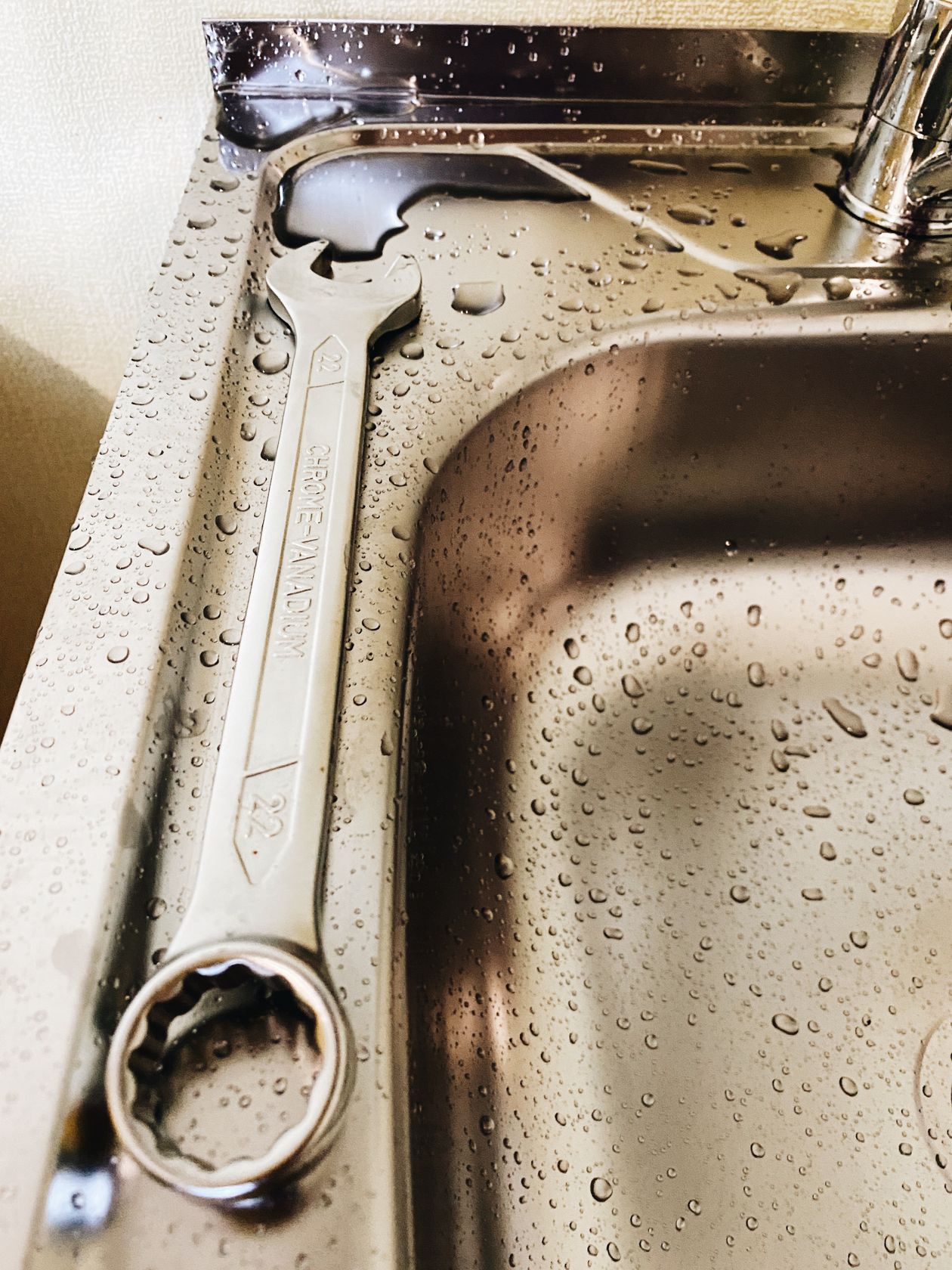
Prevention that actually works
Once a drain is clear, four habits keep it that way. In the kitchen, wipe greasy pans with a paper towel into the trash before washing; grease that never enters the pipe never coats it. In the bathroom, a simple mesh strainer in the tub catches the hair that causes most slow drains, for the price of a coffee. Once a month, run hot water through little-used drains to keep traps and lines fresh. And treat the garbage disposal as an assistant, not a destination: fibrous, starchy and greasy food belongs in the trash or compost, because the disposal's grind does not change what the pipe downstream can carry.
Common questions
Why does my drain clog again weeks after I clear it?
Because clearing removed the blockage but not the cause: grease coating the pipe walls, a rough or sagging section, or roots in the line. A camera inspection is how the cause gets found.
Is it safe to use an enzyme drain treatment?
Enzyme and bacterial treatments are gentler than caustic openers and are used for maintenance, not emergencies. They work slowly on organic buildup and will not open a stopped drain.
What does a plumber do that I cannot?
Motorized cable machines reach the full line, hydro-jetting scours the pipe walls clean, and a camera shows the actual condition of the pipe. The diagnosis is the real upgrade over home tools.
Photos in this guide are representative stock images.
← All guides from E.R. Services← Back to E.R. Services