Plumbing is the home system most people ignore until it floods, which is a pity, because plumbing ages on a schedule you can actually plan around. Pipes, heaters, valves and seals all have typical service lives, and a homeowner in Mint Hill who knows the rough numbers can replace things on a calm Saturday timeline instead of an emergency one. Nothing here requires a toolbox. It requires a calendar and an honest look under a few sinks.
The annual hour that prevents most emergencies
Once a year, walk the house as an inspector. Under every sink, look for moisture, green or white corrosion on fittings, and supply lines that are cracked or bulging; braided steel lines have largely replaced the failure-prone plastic ones and are worth the small swap. Exercise every shutoff valve, turn it off and on, because a valve that has not moved in a decade often will not move in an emergency. Check the water heater's pressure relief valve area for drips, look at the base for rust, and note the heater's age from its label so its remaining life is a known number, not a surprise.
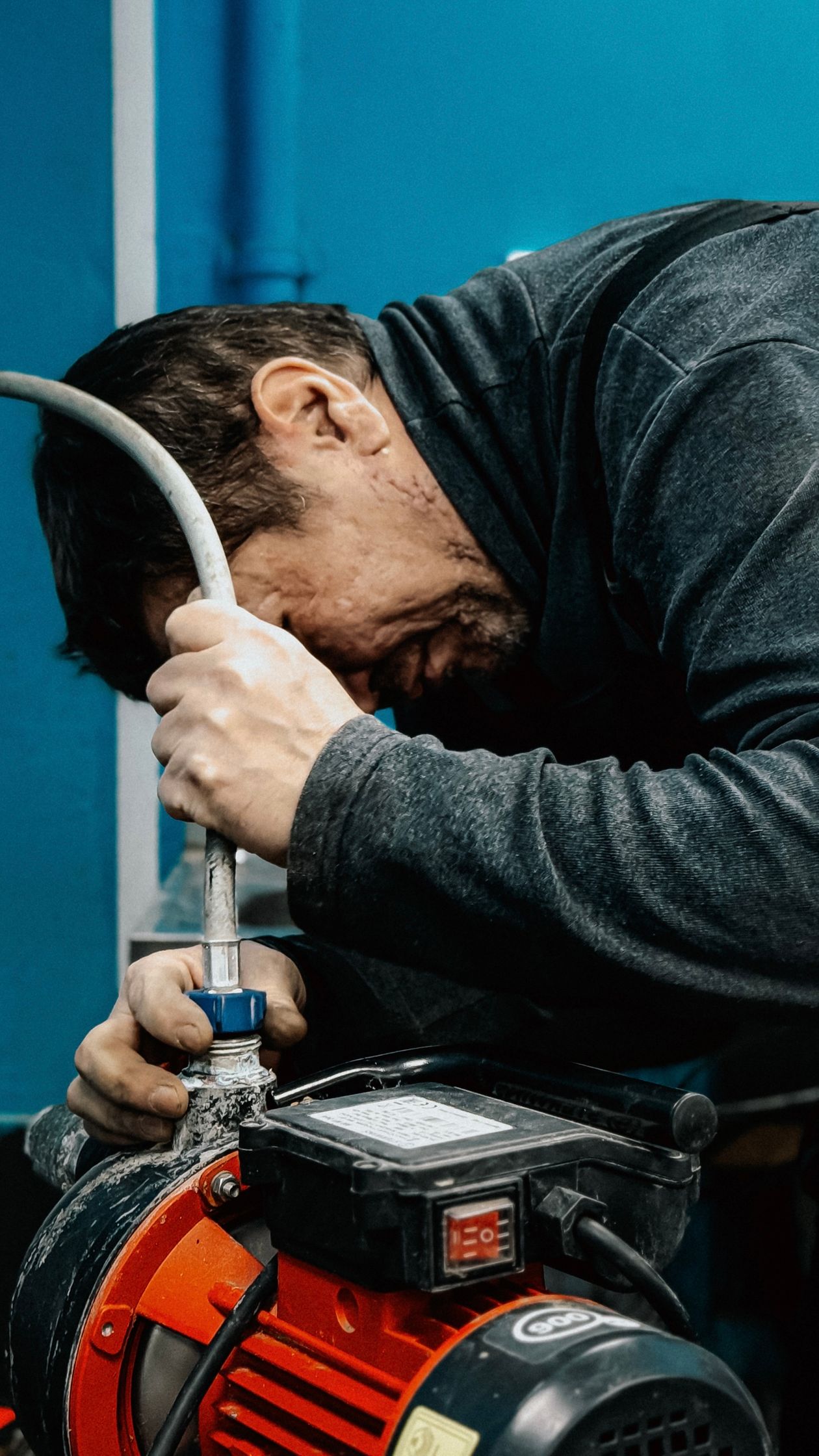
Seasonal jobs for a Carolina house
Spring: check outdoor faucets after the last freeze for splits, since a hose bib that froze quietly leaks into the wall when you first water the yard. Summer in the Piedmont means irrigation and heavy laundry loads; watch for pressure drops that suggest a leak. Fall: disconnect hoses before the first hard freeze, because a connected hose traps water that can split the faucet body inside the wall. Winter: on the rare hard-freeze nights Charlotte gets, let a faucet on an outside wall drip slowly and open cabinet doors under sinks; moving water and warm room air are cheap insurance against a burst pipe at 3 AM.
Know your main shutoff before you need it
The single most valuable plumbing fact about your house is where the main water shutoff is and whether it works. Find it on a dry afternoon: typically where the water line enters the house, or at the meter box near the street for the utility's valve. Turn it, confirm the house water stops, and confirm it turns back on. Houses where the main valve fails during a burst-pipe emergency lose rooms of flooring to a problem that was a wrench-turn away from being a puddle. If your valve is a stiff old gate valve, ask a plumber about replacing it with a quarter-turn ball valve at the next scheduled visit.
When maintenance becomes a plumber's visit
Book a professional when the list turns up a corroded fitting that is actively seeping, a water heater in its final years, a main valve that will not budge, or water pressure that has changed for no clear reason: sustained pressure over about 80 psi quietly wears every fixture in the house, and a plumber can test it in minutes and fit a regulator if needed. A periodic visit from a company like E.R. Services works best as the second half of your own annual walk, with your list in hand.
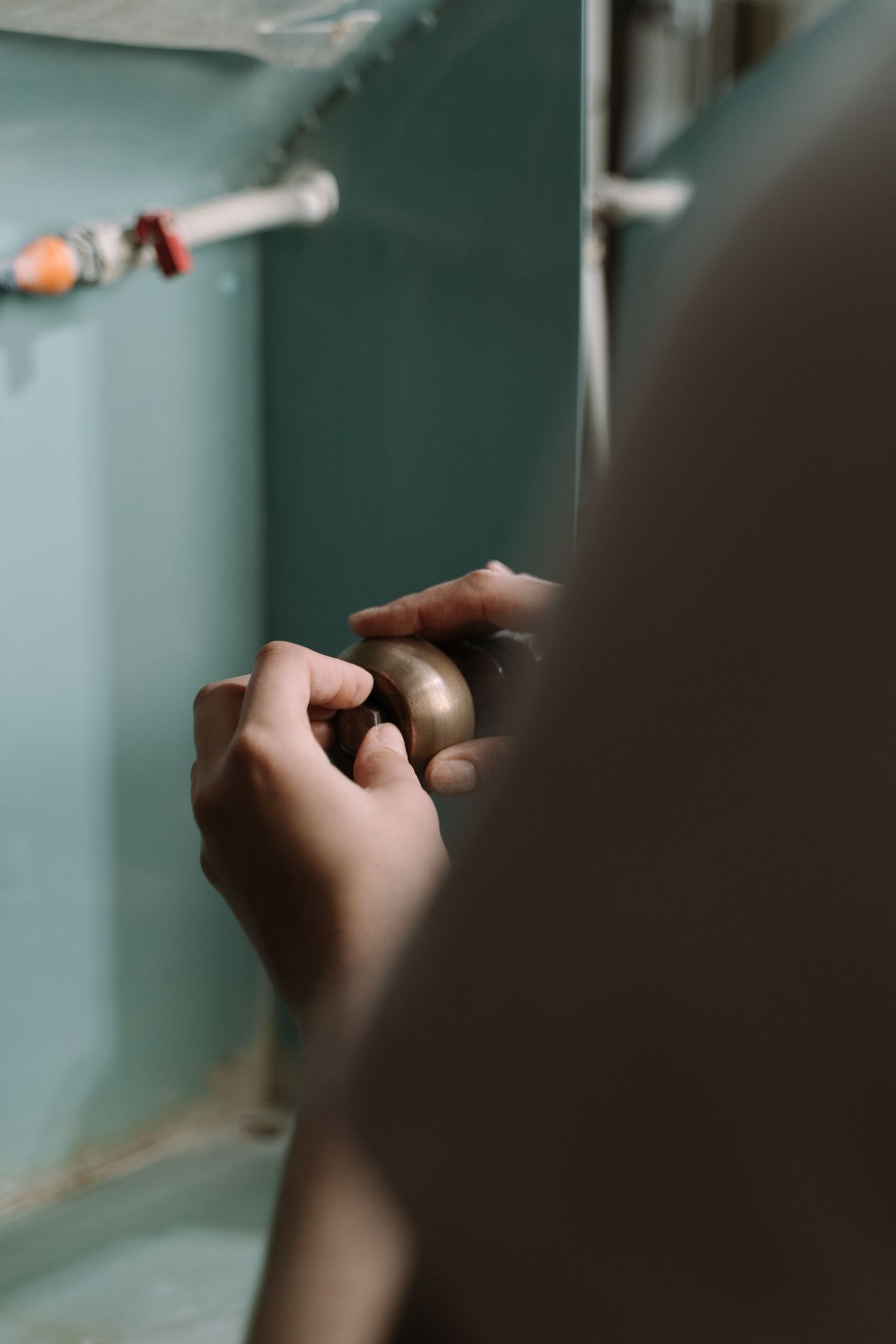
Keep the house's plumbing file
The last habit is paperwork, and it pays like the others. Keep one folder, paper or digital, with the water heater's install date and model, the location of the main shutoff written down for anyone house-sitting, receipts for major work, and the date of your last camera inspection if you have had one. Plumbing knowledge usually lives in one person's head and leaves when they do; the file makes the house legible to the next owner, the next plumber and your future self at midnight. It also turns every service visit into a continuation instead of a restart, which is how small problems stay small.
Common questions
How often should a water heater be flushed?
Once a year is the standard advice for tank heaters, to clear the sediment that causes rumbling and shortens the tank's life. Tankless units need annual descaling of their heat exchanger.
What water pressure should a house have?
Most homes run well between about 40 and 60 psi. Pressure persistently above 80 psi stresses pipes, valves and appliances and calls for a pressure-reducing valve.
What are the first signs of a hidden leak?
A water bill that jumps without a usage change, the sound of water running when nothing is on, warm or damp spots on floors, and a meter that keeps moving with every tap closed.
Photos in this guide are representative stock images.
← All guides from E.R. Services← Back to E.R. Services